How Much Does Branding Cost in Nigeria in 2026?
A logo can cost ₦20,000 or ₦20 million in Nigeria, and both sellers will call it branding. Here is what you are actually paying for at each level, and how to work out the right budget for your business.
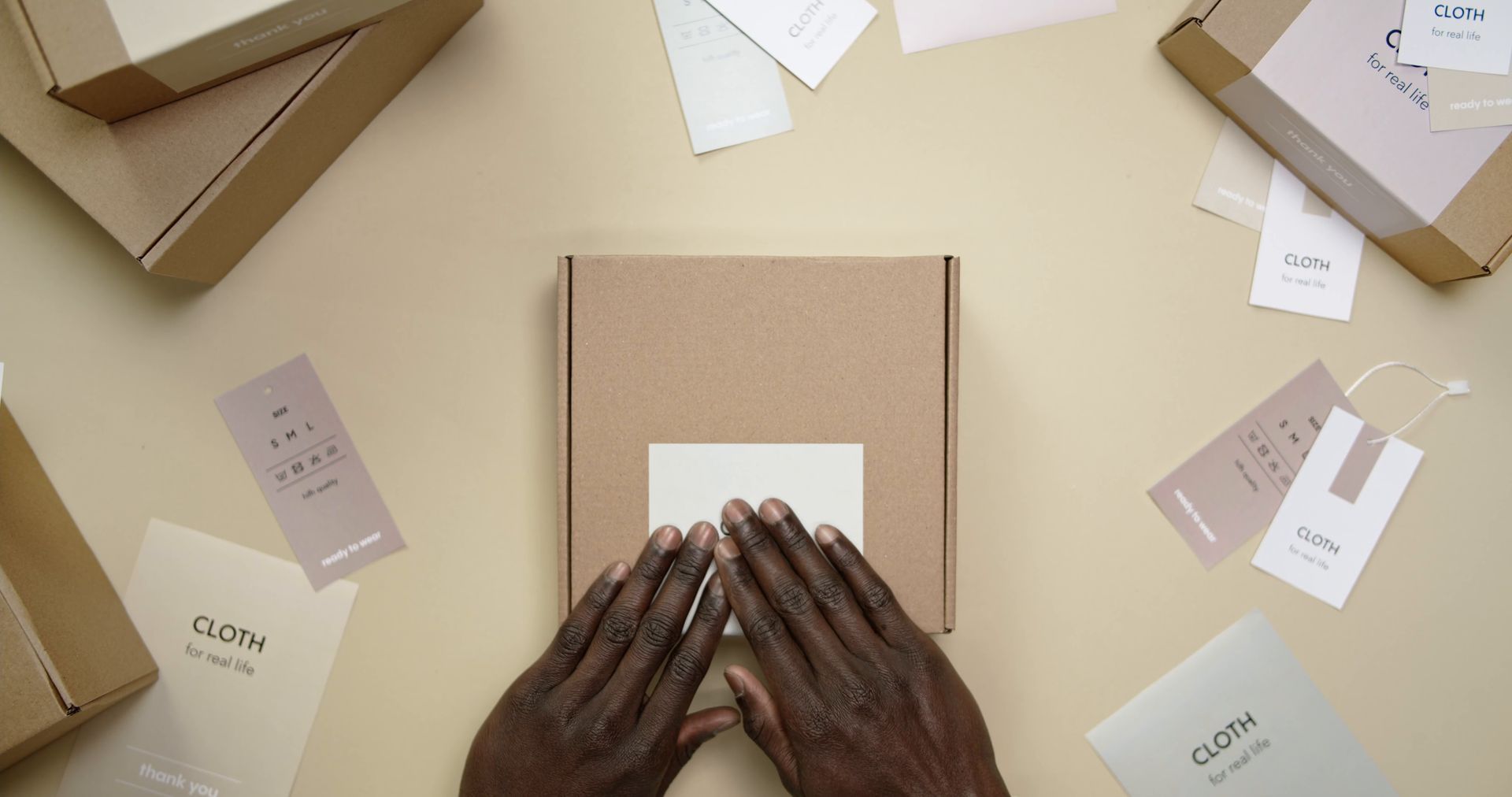
Branding cost in Nigeria ranges from a few thousand naira for a logo to millions for a full rebrand, depending on who does the work and how much of it you need.
Key takeaways
- A logo alone is the cheapest part of branding. Strategy and a full identity system cost more because they take more people and more time.
- In Nigeria in 2026, expect roughly three price levels: freelancers, small studios and full agencies.
- Our own brand strategy and identity work starts from ₦450,000. Larger rebrands are quoted per project.
- The right budget depends on how many places your brand has to appear, not on how big you want to look.
Ask ten Nigerian business owners what they paid for branding and you will get ten different answers, sometimes a hundred times apart. One paid a designer on social media for a logo delivered in two days. Another paid an agency for four months of research, naming, design and rollout. Both describe it as "branding", which is why the question of cost is so confusing.
This guide explains what branding includes, what each part typically involves, why prices in Nigeria vary so widely, and how to decide what your business should spend this year.
What "branding" actually includes
Branding is not one product. It is a stack of separate pieces of work, and you can buy some of them without the others. Knowing the pieces is the fastest way to compare quotes fairly.
Brand strategy
Strategy answers the questions that design cannot: who you sell to, what you want to be known for, how you differ from competitors, and what you should sound like. The output is usually a short document covering positioning, audience, personality and messaging. Good strategy involves interviews with you, your team and sometimes your customers, plus a review of competitors.
Naming
If the business or product does not have a name yet, naming is its own project. It includes generating options, checking that the name is available to register with the Corporate Affairs Commission, checking trademark conflicts, and confirming the domain and social handles are free.
Logo and visual identity
This is the part most people picture. A proper identity is more than a logo file. It includes the logo in several arrangements, a colour palette, typefaces, a style for photography or illustration, and rules for using them together.
Brand guidelines
Guidelines are the manual. They show anyone who works on your brand later, whether a printer, a social media manager or a new agency, how to keep it consistent. Without them, a brand usually starts drifting within months.
Applications and rollout
Finally, the identity has to be applied: business cards, packaging, signage, vehicle branding, social media templates, a website. Some agencies include a set of these in the price. Others charge for each one.
The three price levels in Nigeria
Prices are not regulated and nobody publishes an official rate card, so treat what follows as a description of how the market is structured, not as fixed figures. What matters is understanding why each level costs what it does.
Level one: freelancers and logo sellers
At the lowest prices you are buying a logo, and usually only a logo. You will typically get a few concepts, one or two rounds of changes, and final files. There is little or no strategy, no guidelines, and rarely a check on whether the design is original or legally usable.
This level suits a business that is testing an idea and needs something presentable quickly. The risk is that you pay again within a year when the business outgrows it.
Level two: small studios and experienced independents
In the middle of the market you get a small team or a senior designer who takes a proper brief, does some research, and delivers a logo with a basic identity system and a short guideline document. The process usually takes three to six weeks.
This is the level most small and medium businesses actually need. You get enough structure to stay consistent without paying for research you may not use.
Level three: full-service agencies
At the top you are paying for a team: a strategist, a designer or two, a copywriter and a project manager, often for two to four months. The work includes research, positioning, naming if needed, a complete identity system, detailed guidelines and a rollout plan across several channels.
This level makes sense when the brand has to work in many places at once, such as retail, packaging, advertising and digital, or when a mistake would be expensive to reverse.
The cheapest branding is the one you only pay for once.
What drives the price up or down
Two quotes for "a brand identity" can differ by ten times and both be fair. These are the factors behind the difference.
- Scope. A logo and colours is a small job. A logo, a full system, guidelines, packaging for six products and a website is a large one.
- Research. Customer interviews, competitor audits and workshops add time before any design begins.
- Seniority. Who actually does the work matters more than the name on the invoice. Senior people cost more and usually need fewer rounds.
- Number of applications. Every extra item, from signage to uniforms, adds design time.
- Rounds of revision. Most quotes include two or three. Open-ended changes are how projects double in cost.
- Timeline. A rush job needs more people at once, and that is priced in.
- Usage and ownership. Full ownership of the files and rights should be standard. Confirm it in writing.
What we charge, as a reference point
We publish starting prices because it saves everyone time. At ViralSpot, brand strategy and identity starts from ₦450,000, and creative direction for campaigns starts from ₦600,000. Those figures cover a defined scope, and we quote larger rebrands individually once we understand how many products, locations and channels are involved.
We mention this not as the market average but so that you have at least one real, published number to compare other quotes against. If a quote is far below it, ask what has been left out. If it is far above, ask what has been added.
How to work out your own budget
Instead of asking "what does branding cost?", ask "where does my brand have to appear in the next twelve months?" The answer sets the scope, and the scope sets the price.
Step 1: list every place the brand will show up
Write down everything a customer will see: shopfront, packaging, Instagram, website, delivery bags, invoices, staff uniforms, vehicles. A consultant with a LinkedIn page and a proposal template has a short list. A food brand selling in supermarkets has a long one.
Step 2: decide what must be right from day one
Some items are expensive to change later. Printed packaging, signage and a registered name are hard to undo. Social media templates are easy to redo. Spend where mistakes are costly.
Step 3: match the level to the risk
If you are testing a product at one market stall, level one is reasonable. If you are opening three branches, or putting a product on a shelf next to established competitors, level two or three will pay for itself in avoided reprints and confused customers.
Step 4: budget for rollout, not only design
Many businesses spend their whole budget on the design and then cannot afford to print, build or install any of it. As a rule of thumb, keep a meaningful share of the total for production: printing, signage, photography and the website.

Questions to ask before you pay anyone
Whoever you hire, these questions will tell you quickly whether the quote is complete.
- What exactly will I receive at the end, and in which file formats?
- How many concepts will I see, and how many rounds of changes are included?
- Will I get brand guidelines, and how detailed are they?
- Who will actually do the work, and can I see their previous projects?
- Do I own the final designs outright once I have paid?
- Has the name or logo been checked against existing trademarks?
- What is not included that I am likely to need later?
- What is the payment schedule, and what happens if the project stops halfway?
A serious studio or agency will answer all eight without hesitation. Vague answers at this stage usually become disputes later.
Common ways Nigerian businesses overpay
Overpaying rarely means the price was too high. More often it means the money bought the wrong thing.
- Paying for a logo three times. A very cheap logo, then a slightly better one, then finally a proper identity. The total often exceeds what a mid-level project would have cost at the start.
- Buying strategy and ignoring it. A positioning document is only worth its fee if marketing and sales actually use it.
- Skipping guidelines. Without them, every new designer reinvents the brand and you pay for the inconsistency in reprints.
- Not checking the name. Discovering after launch that another company owns the name is the most expensive mistake on this list.
- Designing for the founder, not the customer. A brand built around personal taste often has to be redone once the business grows beyond the founder's circle.
When a rebrand is worth the money
A rebrand is justified when the business has changed and the brand has not. Typical triggers are a move into a new market, a merger, a shift from serving individuals to serving companies, or a reputation problem that the old identity keeps reminding people of.
It is rarely justified simply because the founders are bored with the logo. Customers take far longer to tire of a brand than the people who look at it every day. If the identity is recognised and still fits what you sell, refreshing how it is applied is usually cheaper and safer than replacing it.
Branding cost in Nigeria: frequently asked questions
How long does a brand identity project take?
A logo alone can take a week or two. A full identity with guidelines usually takes four to eight weeks. A complete rebrand with research and rollout can take three to six months.
Can I start with a logo and add the rest later?
Yes, as long as the logo is designed with a system in mind. Tell the designer at the start that you plan to extend it, so the choices of colour and typeface are made deliberately.
Do I need to register my brand?
Registering the business name with the Corporate Affairs Commission is separate from registering a trademark. If the brand is central to your business, speak to a lawyer about trademark registration early. It is far cheaper than a dispute.
Is branding worth it for a small business?
For a small business, branding does one practical job: it makes you look consistent and trustworthy to someone who has never heard of you. That does not require a large budget, but it does require more thought than a logo chosen in an afternoon.
The short version
Branding in Nigeria costs whatever the scope demands. Work out where your brand has to appear, decide which of those places are expensive to get wrong, and buy the level of work that matches. Compare quotes by what is delivered, not by the headline number, and keep part of the budget for actually producing what was designed.
If you would like a quote based on your real scope, book a meeting with us and we will tell you plainly which level you need.
Further reading: the Corporate Affairs Commission.