How to Build an Online Shop in Nigeria That People Trust
Selling online in Nigeria is less about technology than about trust and delivery. Get those two right and the website is the easy part.
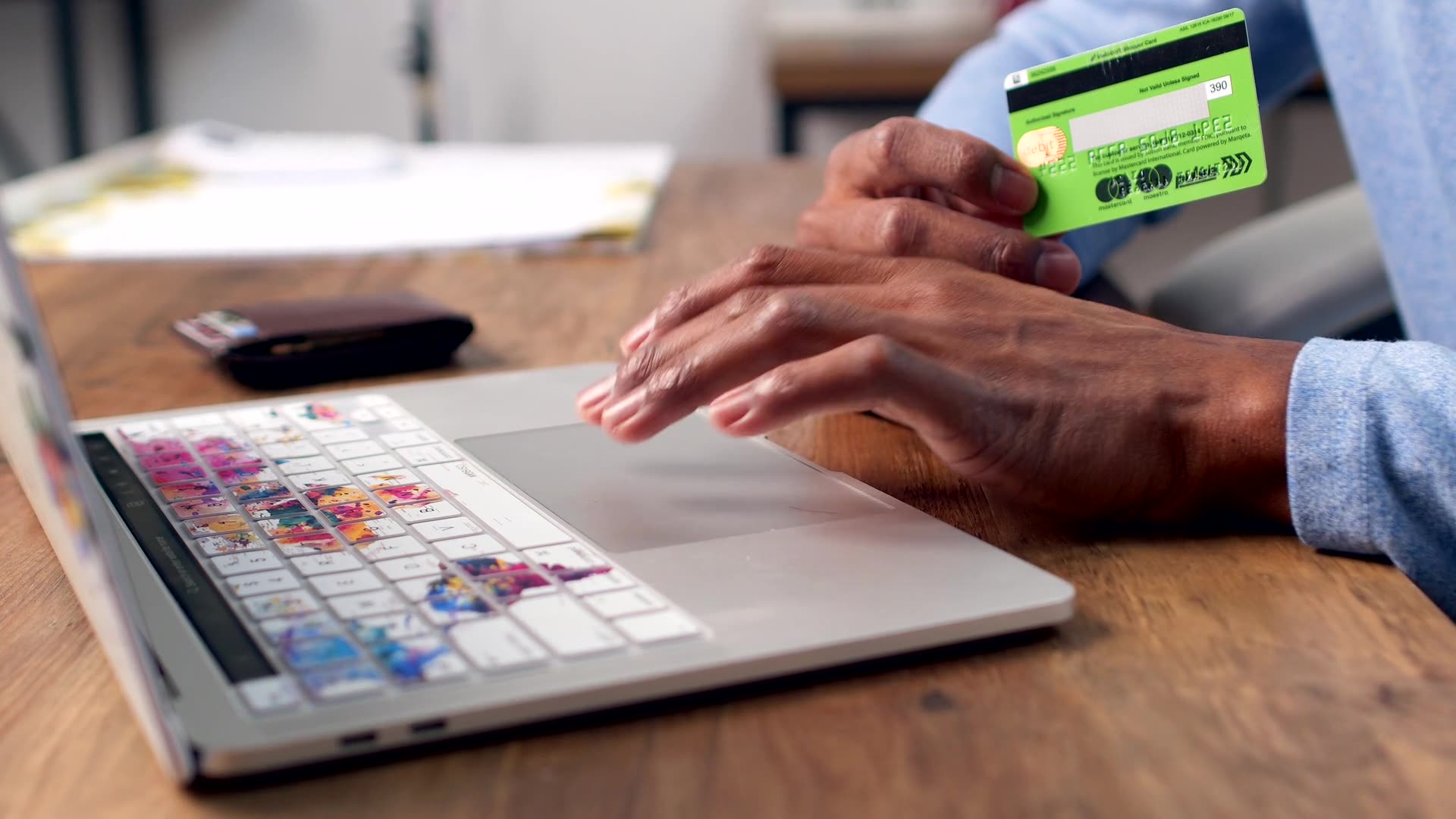
An ecommerce website in Nigeria has to do three things well: load fast on a phone, take payment the way customers prefer, and get the order delivered.
Key takeaways
- Nigerian shoppers abandon purchases when they are unsure the seller is real or the item will arrive. Design the shop to remove that doubt.
- Offer the ways people actually pay: card, bank transfer, USSD and, where it suits you, payment on delivery.
- State delivery areas, costs and times before checkout, not after.
- Build for phones on mobile data first.
An online shop lets customers browse your products, pay and arrange delivery without speaking to anyone. For a Nigerian business it also means reaching buyers in other cities without opening branches, selling outside shop hours, and no longer answering the same price question on WhatsApp fifty times a day.
This guide covers the decisions that matter, in the order you will face them.
Before you build: is a full shop the right step?
Many successful Nigerian sellers run entirely on Instagram and WhatsApp. That works up to a point. A website shop becomes worthwhile when you have more products than a feed can show clearly, when order volume makes manual handling slow, when you want customers to find you through search, or when buyers ask for a way to pay by card.
If you sell a handful of items to people who already know you, a simple catalogue page with a WhatsApp order button may be enough for now.
Choosing a platform
There are three broad routes.
| Route | Suits | Consider |
|---|---|---|
| Hosted shop builders | Getting started quickly with little technical work. | Monthly fees, and check which Nigerian payment providers connect easily. |
| WordPress with WooCommerce | Flexibility and control, with a wide choice of local payment plugins. | Needs hosting, updates and security looked after. |
| Custom build | Unusual requirements, marketplaces, complex pricing or integrations. | Higher cost and ongoing development. |
For most small and medium businesses, one of the first two is right. We compare them further in our article on WordPress, Shopify and custom builds. Whatever you choose, confirm that it supports naira pricing and the payment methods below.

Payments: offer what people use
Payment is where many Nigerian shops lose sales. The more ways a customer can pay comfortably, the more orders complete.
- Card payments through a licensed payment gateway. Paystack and Flutterwave are widely used providers in Nigeria, and there are others.
- Bank transfer, ideally with automatic confirmation so that nobody has to check alerts by hand.
- USSD for customers who prefer to pay from their phone without a card.
- Payment on delivery, if your margins and delivery partners allow it. It builds trust with first-time buyers but brings a risk of refused orders.
Gateways charge a fee on each transaction. Check current fees on the provider's own website and build them into your pricing. Test every payment method yourself, on a phone, before you launch.
Delivery: say it before checkout
Unexpected delivery costs are a leading reason shoppers abandon a basket anywhere in the world, and Nigeria is no exception. Be explicit and early.
- List the cities and areas you deliver to.
- Show the delivery fee by location on the product page or in the basket.
- Give realistic timeframes, for example "Lagos: 1 to 3 working days".
- Offer pickup if you have a location.
- Explain what happens if nobody is available to receive the order.
Choose delivery partners carefully and track their performance. To the customer, a late or damaged parcel is your failure, not the courier's.
Building trust on the page
A first-time visitor is asking one question: if I pay, will I get what I ordered? Every part of the site should answer yes.
Show that you are real
- A physical address or, at minimum, a city and a registered business name.
- A phone number and a WhatsApp link that someone answers.
- An about page with the people behind the business.
- Links to active social media accounts.
Show the product honestly
- Your own photographs, from several angles, including one that shows scale.
- Exact sizes, materials, colours and what is in the box.
- Stock status, so people do not pay for something unavailable.
Show that others bought and were satisfied
- Genuine reviews, with photographs where customers supply them.
- A count of orders delivered, if it is true.
Show what happens if something goes wrong
- A plain returns and refunds policy.
- How to make a complaint and how quickly you respond.
Every doubt you leave unanswered on the page becomes a message on WhatsApp or a lost sale.
Product pages that sell
The product page does the selling. A strong one has a clear name, the price in naira, good photographs, a short description of who it is for and why it is good, the specifications, delivery information, reviews, and one obvious button to add to basket.
Write descriptions for a person, not a catalogue. Compare "100% cotton, 180gsm" with "Thick cotton that keeps its shape after washing. 100% cotton, 180gsm." The second answers the question the buyer actually has.
A checkout that does not lose people
- Allow guest checkout. Do not force account creation before a first purchase.
- Ask for as little as possible. Name, phone, delivery address, payment.
- Show the full cost including delivery before the payment step.
- Keep it on as few screens as you can.
- Confirm immediately by SMS, WhatsApp or email, with an order number.
Then follow up. A message when the order is dispatched and another on delivery reduces anxious enquiries and builds confidence for the next purchase.
Phones and speed
Assume your customer is on a mid-range Android phone using mobile data. Compress product images, avoid heavy sliders and autoplay video, and test the complete journey from product to payment on such a phone. Large tap targets, readable prices and a basket button that stays in view make a measurable difference.
The legal basics
An online shop collects personal data and takes money, so some obligations apply. Nigeria has a data protection law, the Nigeria Data Protection Act, which sets out how personal information must be handled. You should have a privacy policy that says what you collect and why, clear terms of sale, and a returns policy. Consumer protection rules also apply to online sellers.
This is general information, not legal advice. Requirements differ by product type, so speak to a lawyer if you sell regulated goods such as food, cosmetics, medicines or financial products.
Bringing people to the shop
A shop with no visitors sells nothing. Plan for traffic from the start.
- Search. Write product and category pages that match what people search for.
- Social media. Link every post to the product, not just the homepage.
- Paid advertising. Start small, measure cost per order, and scale what works.
- WhatsApp and email. Collect contacts with permission and tell past customers about new stock.
- Creators. Give each a unique code so you can see who drives sales.
After the sale: service keeps the customer
The first order is the expensive one to win. The second costs far less, provided the first went well. Decide in advance how you will handle the ordinary problems: a wrong size, a damaged item, a delayed rider. Name one person or one WhatsApp line responsible for complaints, set a response time you can keep, and give that person authority to refund or replace without a long approval chain.
Follow up a few days after delivery to ask whether everything arrived as expected and to invite a review. A short, polite message does more for repeat sales than most advertising, and the reviews you collect make the next stranger more willing to buy. Keep a simple record of what goes wrong most often. If the same complaint appears every week, the fix belongs on the product page or with the courier, not in customer service.
Mistakes that cost sales
- Hiding prices and asking people to "DM for price".
- Revealing delivery fees only at the last step.
- Using supplier photographs that do not match what arrives.
- A payment page that fails and gives no explanation.
- No confirmation after payment.
- Listing items that are out of stock.
- Launching and never checking the site on a phone.
Ecommerce website in Nigeria: frequently asked questions
How much does an online shop cost to build in Nigeria?
It depends on the platform, the number of products and the features. Our web and app design work starts from ₦550,000, and shops are quoted according to scope. Remember ongoing costs: hosting, payment fees, maintenance and marketing.
Do I need to register a business to sell online?
Payment gateways generally require business details to open a full merchant account, and registration also builds customer trust. Check current requirements with the Corporate Affairs Commission and your chosen payment provider.
Should I offer payment on delivery?
It can raise orders from first-time buyers. It also increases refused deliveries. Many shops offer it in selected cities or below a certain order value.
Can I sell to customers outside Nigeria?
Yes, if your payment provider supports international cards and you have a reliable international shipping arrangement. State customs and delivery times clearly.
The short version
Choose a platform that supports local payments, offer several ways to pay, be upfront about delivery, prove on every page that you are real, keep checkout short, and test everything on a phone. If you would like a shop designed around how your customers actually buy, talk to us.
Further reading: Google's guide to Core Web Vitals.