Short-Form Video Strategy for Brands: Reels, TikTok and Shorts
Short vertical video is where attention is. It is also where most brand content is ignored within two seconds. A simple structure and a steady routine make the difference.

A short-form video strategy is a plan for the vertical clips you publish on Reels, TikTok and Shorts: what they say, how they open and how often they go out.
Key takeaways
- Short-form video is vertical video, usually under a minute, shown in a feed that people swipe through.
- The first two seconds decide whether anyone watches. Start with the point, not an introduction.
- A repeatable series beats a string of unrelated one-off videos.
- Film in batches, add captions, and measure watch time and shares, not likes.
Short-form video means vertical clips, typically between ten and ninety seconds, published on Instagram Reels, TikTok, YouTube Shorts and similar feeds. Platforms show these videos to people who do not follow you, based on how viewers respond. That makes it the most accessible way for a small brand to reach new audiences without paying for each view.
It is also unforgiving. A viewer decides almost instantly whether to keep watching. This guide explains how to plan and make short video that earns that decision.
Why short-form video matters for Nigerian brands
Nigerian audiences are young, phone-first and heavy users of video platforms. Short video suits the way people here already consume and share content, including forwarding clips on WhatsApp. It also has a low barrier to entry: a recent phone, good light and a clear idea are enough to start.
For a business, short video can do three jobs: introduce the brand to strangers, show the product in a way photographs cannot, and build familiarity through repetition.
How the feeds decide what to show
The platforms do not publish their exact methods, and they change them. But the broad logic is consistent. A new video is shown to a small group. If those people watch most of it, rewatch, share, save or comment, it is shown to more. If they swipe away quickly, it stops.
Two consequences follow. First, retention, meaning how much of the video people watch, matters more than anything else. Second, your follower count matters less than it used to. A strong video from a small account can travel far.
The structure of a video people finish
The hook: the first two seconds
Open with the most interesting thing: the result, the question, the surprising statement, or the striking image. Do not begin with your logo, a greeting or "In today's video". Examples of effective openings include a direct question ("Why does your generator smoke when it starts?"), a result shown first ("This flat was empty on Monday"), or a strong claim you then support.
The body: one idea
Deliver on the hook quickly. Make one point per video. Cut every pause and every sentence that does not move it forward. Change the shot or add a visual every few seconds to keep the eye engaged.
The payoff
Give the answer, the reveal or the finished result. A video that withholds its payoff until the very last second and then ends cleanly often gets rewatched, which the feeds reward.
The call to action
One light instruction is enough: follow for the next part, send this to someone who needs it, or message us for a quote. Shares and saves are especially valuable, so ask for those when it fits.
Formats that work for brands
- How-to and tips. Short lessons from your expertise. Useful content gets saved.
- Before and after. Transformations suit builders, designers, cleaners, stylists and fitness businesses.
- Behind the scenes. How the product is made or the service delivered. It builds trust.
- Product in use. Demonstrations, unboxing and close-up detail.
- Customer stories. A real customer describing a result in their own words.
- Myth and mistake. "Three mistakes people make when buying an inverter."
- Answering comments. Reply to a real question with a video.
- Founder or team on camera. People connect with people. A consistent face helps recognition.
- Trends, selectively. Join a trend only if it genuinely fits your brand and you can do it promptly.
Think in series, not single videos
The brands that grow steadily usually have two or three recurring series. A series gives viewers a reason to follow, makes planning easier, and lets you improve the same format with practice.
A furniture workshop might run "One piece, start to finish", "Wood types explained" and "Customer homes". Each has a recognisable opening and a consistent look. Give a series at least eight to ten episodes before judging it.
One good format, repeated and refined, will outperform fifty unrelated experiments.
Production: what you actually need
Expensive equipment is not the barrier. These basics are.
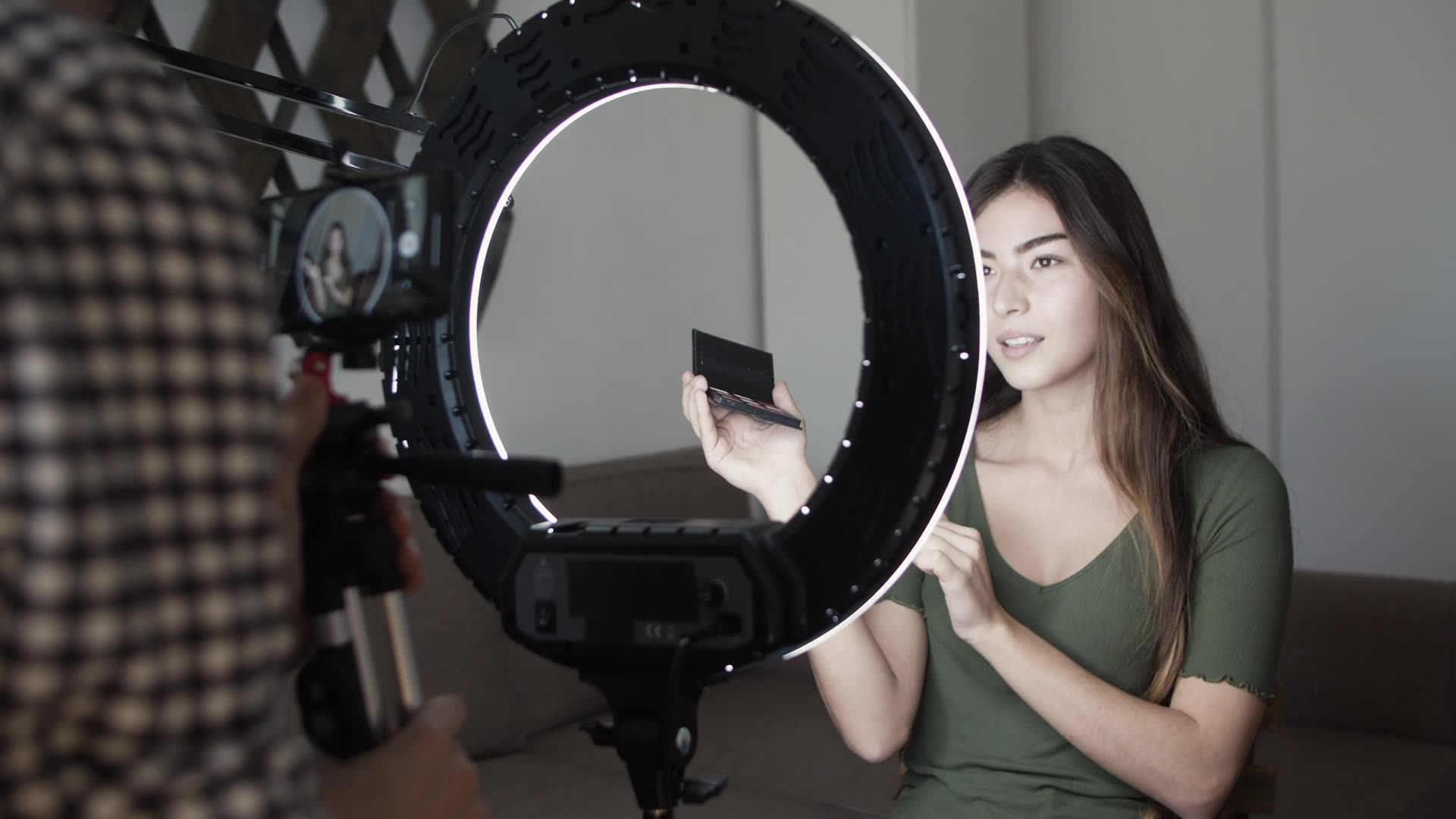
- Light. Film facing a window or outdoors in shade. Good light matters more than the camera.
- Sound. A small clip-on microphone is the best low-cost upgrade. Viewers forgive rough pictures but not bad audio.
- Stability. A tripod or a steady surface.
- Vertical framing. Film in 9:16, with the subject centred and room at the top and bottom for platform buttons and captions.
- A clean background that suits the brand.
Film in batches. Plan six to ten videos, set up once, and record them in a session. Editing can then be spread across the following weeks.

Editing for attention
- Cut tightly. Remove breaths, pauses and repeated words.
- Add captions. Many people watch with the sound off. On-screen text also helps the platform understand the subject.
- Put the hook on screen as text in the first frame.
- Vary the visuals: a closer shot, a cutaway, a graphic.
- Use music carefully. Business accounts have restrictions on commercial music. Use the platform's licensed library for business use or original audio.
- Choose a cover image that looks tidy in your profile grid.
Platform differences
| Platform | Character | Practical note |
|---|---|---|
| TikTok | Discovery-led, trend-driven, informal. | Rougher, faster content often does better than polished adverts. |
| Instagram Reels | Tied to your profile, shop and messages. | Aesthetic consistency matters more. Good for driving direct messages. |
| YouTube Shorts | Linked to search and longer videos. | Useful if you also publish longer content. |
| Facebook Reels | Broad, often older audience. | Worth cross-posting for reach. |
You can publish the same video on several platforms. Export a clean version without another platform's watermark, and adjust the caption for each.
How often to post
Consistency matters more than volume. Three videos a week, every week, is a strong baseline for most businesses. Posting daily helps if you can maintain quality. A burst of ten videos followed by a month of silence does not.
Post when your audience is active, which your account insights will show, but do not agonise over timing. A good video finds its viewers.
What to measure
- Average watch time and completion rate. The clearest sign of quality.
- The retention graph. See where people drop off and fix that moment next time.
- Shares and saves. Stronger signals than likes.
- Follows from the video.
- Profile visits, link clicks and messages. The path to business.
- Enquiries that mention a video. Ask new customers how they found you.
Review your best and worst five videos each month. Look for patterns in topic, hook and length, then make more of what held attention.
Turning views into customers
Views do not pay salaries. Make the next step obvious. Put a clear description and a working link in your profile. Pin your best three videos. Reply to comments and messages promptly, because interest fades within hours. When a video performs well, consider putting advertising budget behind it to reach more of the right people, with a call to action that leads to a page or a WhatsApp chat.

A simple monthly routine
Week one: review last month's numbers and choose twelve ideas, mostly within your existing series. Write a hook and a one-line outline for each. Week two: film all twelve in one or two sessions. Weeks two to four: edit and publish three a week, reply to every comment in the first hour, and note which questions come up, since those are next month's ideas. Keep a running list of hooks that held attention. After three months of this routine, most brands have a clear picture of what their audience wants and a library of content they can reuse in advertising.
Common mistakes
- Slow openings with logos and greetings.
- Trying to say five things in one video.
- Horizontal footage with black bars.
- No captions.
- Reposting television adverts and expecting them to perform.
- Chasing every trend regardless of fit.
- Giving up after ten videos.
Short-form video strategy: frequently asked questions
How long should a short-form video be?
Long enough to deliver the point and no longer. Many strong business videos run between fifteen and forty-five seconds. Longer works if people keep watching.
Do I need to show my face?
No, though a consistent presenter helps recognition and trust. Product-led, hands-only and voice-over formats can all perform well.
Can I use popular songs in brand videos?
Business accounts are generally limited to music cleared for commercial use. Using unlicensed tracks risks the video being muted or removed. Check each platform's current rules.
Should I hire someone or do it in-house?
Start in-house if someone on the team is willing and you can keep a routine. Bring in help when you need better production, more volume or a strategy. Our content production service starts from ₦280,000 per month.
The short version
Lead with the hook, make one point, deliver a payoff, add captions, repeat a format until it works, and watch your retention. Then give interested viewers somewhere to go. If you want a team to plan and produce it, talk to us.
Further reading: Think with Google.