Influencer Marketing in Nigeria: How to Do It Properly
Influencer marketing works in Nigeria because people trust people more than they trust adverts. It fails when brands pick creators by follower count and hope. Here is a method that holds up.
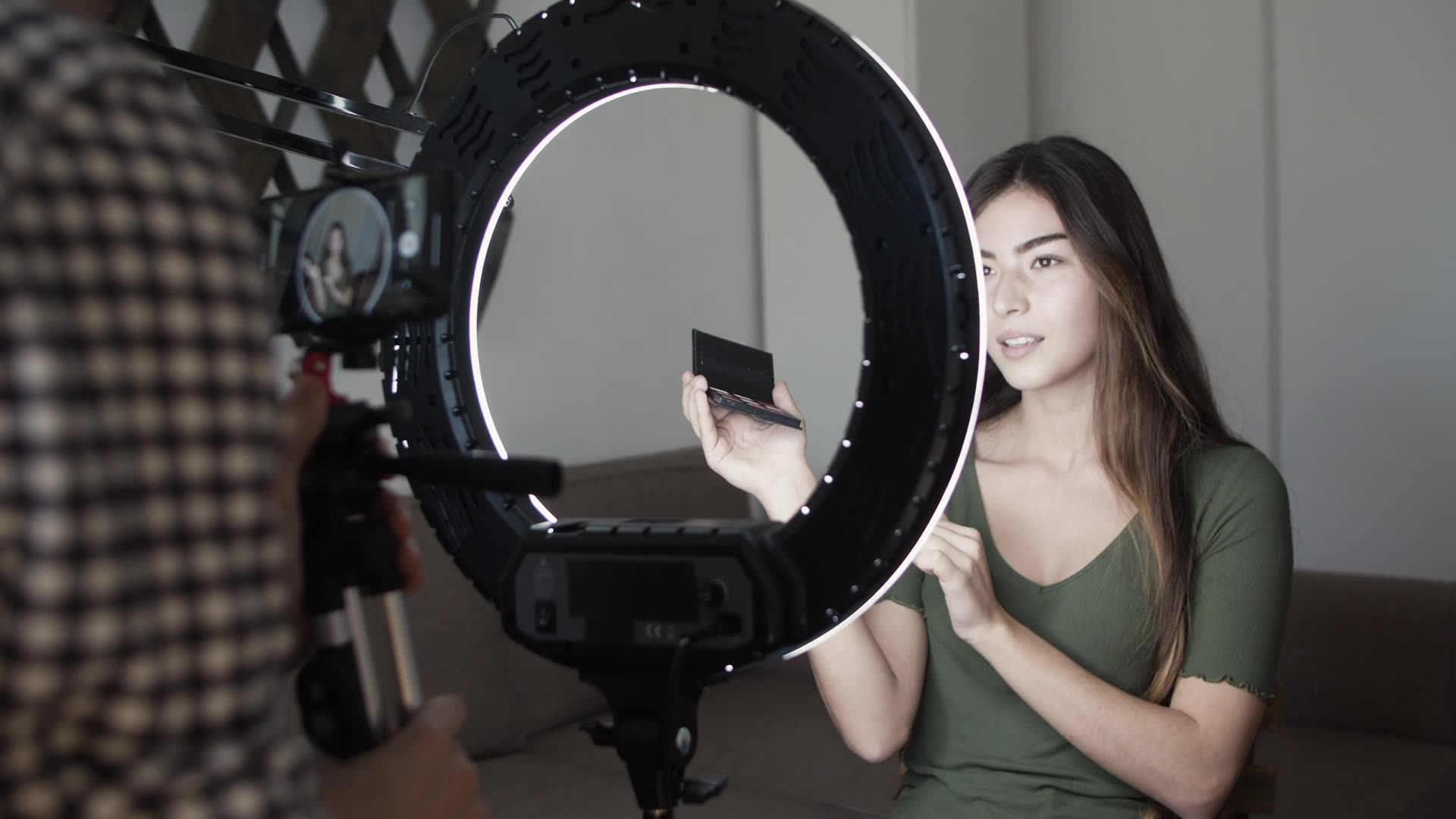
Influencer marketing in Nigeria means paying or partnering with creators so that their audience hears about your brand from someone they already trust.
Key takeaways
- Choose creators by audience fit and engagement quality, not by follower numbers.
- Decide the goal first: awareness, content, traffic or sales. Each needs a different kind of creator and a different measure.
- Put everything in writing: deliverables, dates, usage rights, disclosure and payment.
- Give every creator a way to be measured, such as a unique link or code.
Influencer marketing is paying or partnering with people who have an audience so that they introduce your brand to that audience in their own voice. In Nigeria it has grown from celebrity endorsements into a wide field that includes comedians, lifestyle creators, tech reviewers, food pages, parenting accounts and niche experts with a few thousand loyal followers.
Done well, it puts your product in front of people who already trust the person recommending it. Done badly, it is an expensive post that vanishes in a day. The difference is method.
Why influencer marketing works in Nigeria
Three conditions make it effective here. First, recommendation carries great weight in a market where buyers are wary of being cheated. Second, social platforms and WhatsApp are where much of everyday attention goes. Third, creators understand local humour, language and references in a way that polished brand advertising often does not.
A creator who switches naturally between English and Pidgin, or who jokes about a situation every Lagos commuter recognises, can make a product feel familiar in thirty seconds.
Step 1: decide what you want
"Awareness" is too vague to plan around. Pick one main goal for the campaign.
- Reach. You want many people in a segment to know the brand exists.
- Credibility. You want a respected voice to vouch for you.
- Content. You want good videos and photographs you can reuse in your own advertising.
- Traffic or leads. You want people to visit a page or send a message.
- Sales. You want purchases you can count.
The goal decides everything that follows: which creators, which platform, what they make, and what you measure.
Step 2: understand the kinds of creators
Creators are often grouped by audience size. The labels vary, but the pattern is useful.
| Type | Typical strength | Typical weakness |
|---|---|---|
| Nano and micro creators | Close, trusting audiences in a niche. Affordable. Often very responsive. | Small reach each. Managing many takes effort. |
| Mid-tier creators | A balance of reach and engagement. Usually professional to work with. | Fees rise quickly as they grow. |
| Macro creators and celebrities | Very large reach and instant recognition. | Expensive. Audience is broad, so much of the reach may be irrelevant. |
For most small and medium Nigerian businesses, several micro creators in the right niche outperform one celebrity post. We compare the two approaches in more depth in our article on micro versus macro influencers.
Step 3: choose creators carefully
Follower count is the easiest number to see and the least useful. Look at these instead.
Audience fit
Who actually follows this person? Ask for a screenshot of their audience insights showing location, age and gender. A creator with a large following mostly outside Nigeria is no help to a business that delivers only in Lagos.
Engagement quality
Read the comments. Real audiences ask questions, tag friends and argue. Rows of generic comments or emojis from unrelated accounts suggest bought engagement.
Content quality and consistency
Do they post regularly? Is the content well made and recognisably theirs? Would your product sit naturally in their feed?
Brand safety
Scroll back several months. Check for controversies, offensive posts or a feed so full of adverts that another one will be ignored.
Previous brand work
Look at their sponsored posts. Did those perform as well as their normal content? Ask for results from a past campaign if they have them.
Step 4: agree fees and structure
There is no standard rate card. Fees depend on audience size, platform, the amount of work, how long you may use the content, and exclusivity. Common arrangements include:
- Flat fee per deliverable. A set price for a video or a set of posts.
- Product in exchange for content. Common with smaller creators, where the product has real value to them.
- Commission. A percentage of sales tracked through a link or code.
- Retainer or ambassadorship. A monthly fee for ongoing content over several months.
Longer partnerships usually work better than single posts. An audience that sees a creator use a product over months believes it more than a one-off mention. Our own influencer marketing service starts from ₦300,000 per month, which covers planning, creator management and reporting. Creator fees depend on who is engaged.
One post is an advert. Three months is a recommendation.
Step 5: write a clear brief
A good brief gives direction without writing the script. Creators know their audience better than you do, and content that sounds like a press release performs poorly.
Include:
- What the product is and who it is for.
- The single message you want the audience to take away.
- What must be said or shown, and what must not.
- Deliverables: how many posts, in which formats, on which platforms.
- Dates for drafts, approval and posting.
- The link, code or call to action to use.
- How the partnership must be disclosed.
Then leave room. Ask for a short concept before filming so you can catch problems early, and limit yourself to one round of reasonable changes.

Step 6: put it in writing
Even for small collaborations, a written agreement prevents most disputes. It should cover the deliverables, deadlines, fee and payment terms, the approval process, how long the post stays up, and what happens if either side cancels.
Two clauses deserve particular attention. Usage rights state whether you may reuse the content in your own adverts, on your website or in print, and for how long. Exclusivity states whether the creator may work with your competitors during and shortly after the campaign.
Step 7: stay within the rules
Advertising in Nigeria is regulated, and the Advertising Regulatory Council of Nigeria oversees advertising standards. Paid partnerships should be clearly disclosed to the audience, and claims about a product must be truthful and capable of being supported. Sectors such as finance, health, food and alcohol carry additional requirements.
Rules change, so check the current requirements or take advice before a campaign, particularly in a regulated sector. Clear disclosure also protects trust: audiences forgive sponsorship far more readily than they forgive being misled.
Step 8: measure what happened
Decide the measures before the campaign starts, matched to the goal you set.
- For reach: views, unique accounts reached, and the proportion in your target location.
- For engagement: saves, shares and comments, which signal more than likes.
- For traffic: clicks from a unique tracked link for each creator.
- For sales: orders using each creator's discount code, or messages that mention them.
Ask creators to send screenshots of their post insights after a set period. Compare creators against each other, keep working with the ones who delivered, and drop the rest.
Step 9: reuse the best content
The most valuable result of a campaign is often the content itself. If you agreed usage rights, the strongest creator videos can run as paid adverts from your own account, appear on product pages as proof, and be cut into shorter clips for other platforms. Creator-made content usually feels more natural in a feed than studio advertising, and it costs far less to produce. Plan for this from the start by asking for the original video files without music or captions burned in, so they can be edited later.
Mistakes that waste budgets
- Choosing by follower count or personal taste instead of audience fit.
- Scripting every word so the post sounds unnatural.
- Running a single post and expecting sales.
- Forgetting to agree usage rights, then being unable to reuse good content.
- Giving every creator the same link, so nobody can tell who performed.
- Sending traffic to a slow website or an unanswered WhatsApp number.
The last point matters more than it seems. A campaign can do its job perfectly and still fail if the people it sends to you find a broken page or wait hours for a reply.

Influencer marketing in Nigeria: frequently asked questions
How much do influencers charge in Nigeria?
Fees range very widely, from product exchange with small creators to very large sums for celebrities. There is no official rate card. Ask each creator for their rates and compare them against audience fit and past results.
Which platform is best for influencer marketing in Nigeria?
It depends on your audience. Instagram and TikTok suit lifestyle, fashion, food and beauty. X is strong for conversation and news. YouTube suits longer reviews. LinkedIn suits business audiences.
How do I know if an influencer has fake followers?
Compare follower count with typical views and comments, read the comments for generic or irrelevant replies, and ask for audience insights. A sudden jump in followers with no viral post is another warning sign.
Should I use an agency or contact creators myself?
You can contact creators directly for a small campaign. An agency becomes useful when you are managing several creators at once, need contracts and reporting handled, or want access to creators who only work through representatives.
The short version
Set one clear goal, pick creators whose audience matches your customers, agree everything in writing, let them speak in their own voice, and give each one a way to be measured. Then keep the ones that work. If you want help planning or running a campaign, get in touch.
Further reading: Think with Google.