Entering the Nigerian Market: A Marketing Guide for International Brands
Nigeria is Africa's most populous country and one of its largest consumer markets. It also punishes brands that arrive with a campaign designed somewhere else. This is what to understand first.
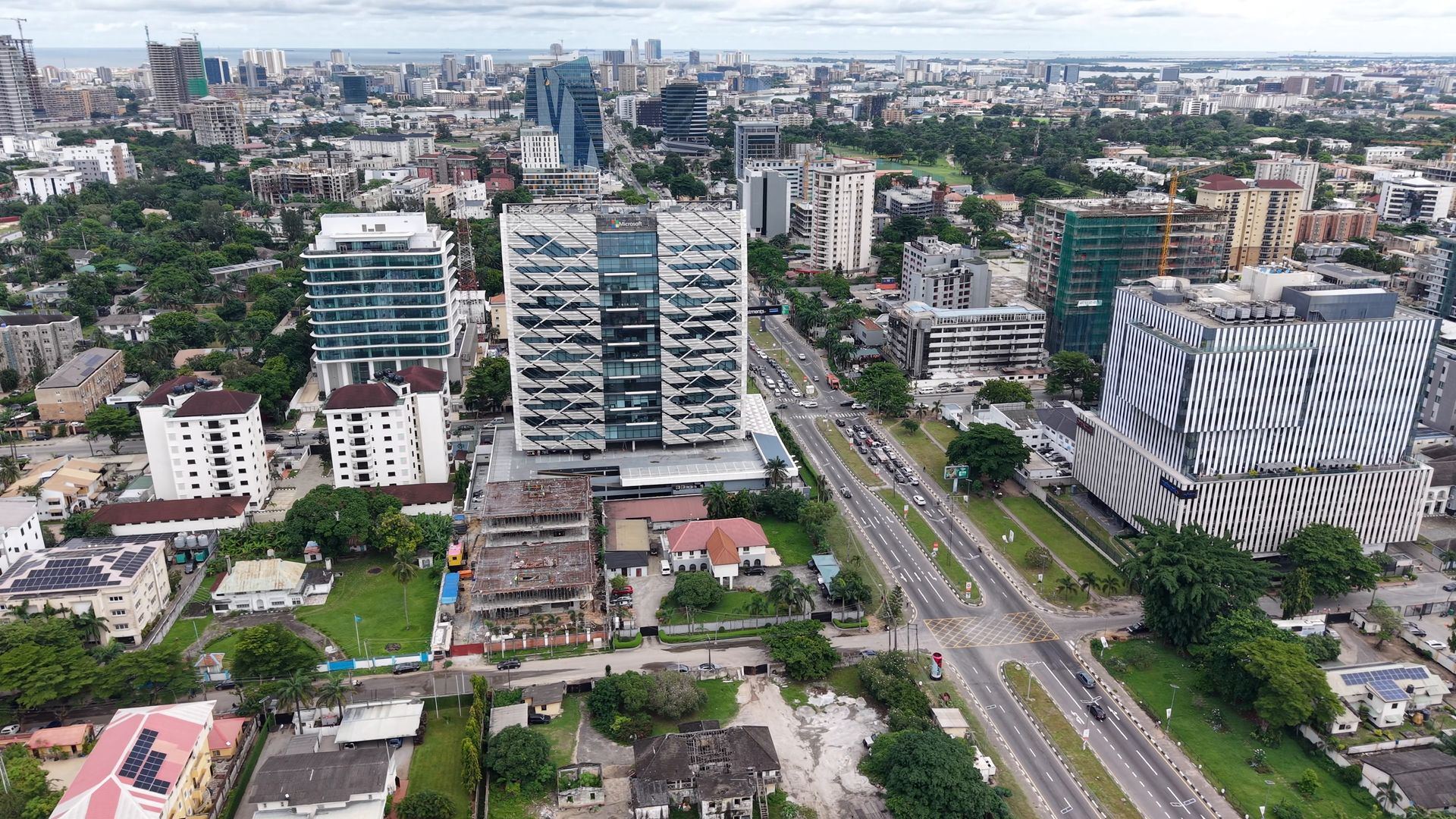
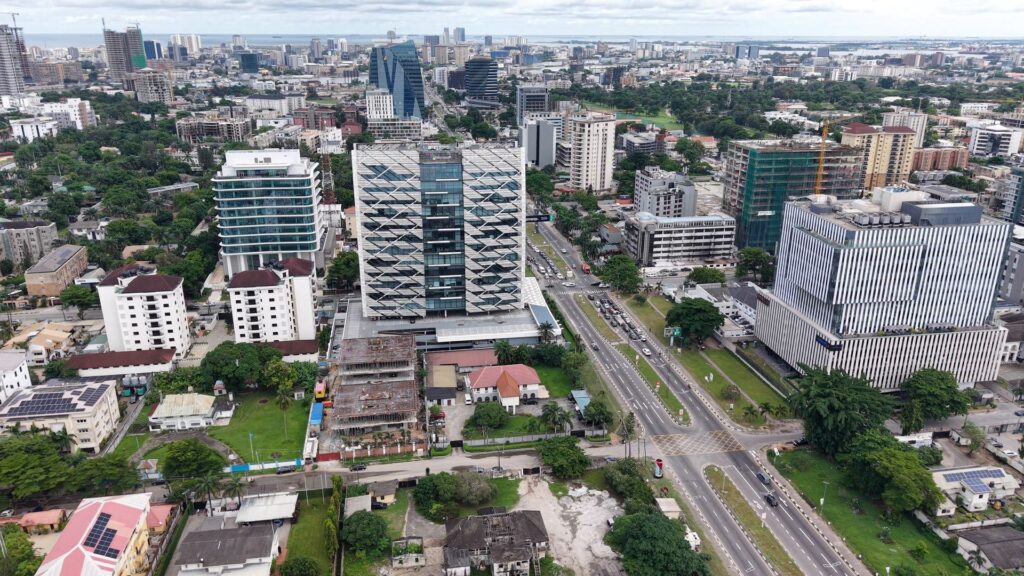
Entering the Nigerian market gives a brand access to Africa's largest population, and it rewards companies that adapt to how Nigerians actually shop and pay.
Key takeaways
- Nigeria is not one market. Lagos, Abuja, the north and the south-east differ in language, income, habits and media.
- Audiences are young, mobile-first and reached mainly through social platforms, WhatsApp, radio and outdoor.
- Trust, price and availability decide most purchases. Brand fame from abroad helps less than you expect.
- Work with local partners for distribution, regulation and creative. Adapt the message; do not just translate it.
For brands in the UK, Europe and elsewhere, Nigeria is an obvious place to look for growth. It has a very large, young population, fast-growing cities, a strong entrepreneurial culture, and consumers who are highly active online. It also has real complications: currency movement, infrastructure gaps, a complex regulatory environment, and wide differences between regions.
This guide is about the marketing side of entering Nigeria. It does not replace legal, tax or logistics advice, but it will help you ask better questions of the partners who provide it.
Nigeria is several markets
The first mistake international brands make is treating Nigeria as a single audience. In practice you are choosing where to start.
- Lagos is the commercial centre: dense, fast, trend-setting and expensive to operate in. Most international brands launch here.
- Abuja, the capital, has a concentration of government, diplomatic and professional households.
- Port Harcourt and the south-south are shaped by the energy industry.
- Kano, Kaduna and the north are large, predominantly Hausa-speaking markets with different media habits and cultural expectations.
- The south-east, including Onitsha and Aba, is a centre of trade and manufacturing with a strong commercial culture.
- Ibadan and the south-west beyond Lagos are large, Yoruba-speaking and more price-sensitive.
English is the official language and the language of business. Hausa, Yoruba and Igbo are the largest of many local languages, and Nigerian Pidgin is understood across much of the country. A campaign that works in Lekki may mean little in Kano.
Understanding the Nigerian consumer
Young and mobile-first
The population is young, and for most people the phone is the main and often the only screen. Websites, adverts and customer service must work on a mid-range Android device using mobile data.
Careful with money
Most households watch spending closely. Value matters at every income level. Smaller pack sizes, flexible payment and clear pricing often decide a purchase more than brand prestige.
Cautious about being cheated
Counterfeit goods and unreliable sellers have made buyers wary. Proof of authenticity, visible local presence, responsive customer service and recommendations from people they trust carry great weight.
Aspirational and brand-aware
At the same time, Nigerians follow global culture closely and take pride in quality. International brands are respected, provided they show respect in return by taking the market seriously.
The channels that matter
| Channel | Role |
|---|---|
| Social media | Instagram, TikTok, Facebook, X and YouTube are central to discovery, especially for younger urban audiences. |
| The default for conversation, customer service and, for many businesses, sales. | |
| Creators and influencers | Recommendation from a trusted voice is one of the fastest ways to earn credibility. |
| Search | Important for considered purchases and for business buyers. |
| Radio | Wide reach across income levels and regions, including in local languages. |
| Outdoor | Billboards and transit advertising are highly visible in congested cities. |
| Television | Still significant for mass awareness, alongside streaming. |
| Events and activations | Markets, campuses, malls and festivals let people try the product. |
The right mix depends on the product and the audience. A premium skincare brand might lead with creators and Instagram. A household product for mass distribution may need radio, outdoor and in-market activation.
Adapt the message, do not just translate it
Localisation is more than swapping currency symbols. Consider:
- Language and tone. Nigerian English has its own rhythm and vocabulary. Pidgin, used well and appropriately, signals warmth. Used clumsily, it is embarrassing.
- Casting and settings. Audiences want to see people and places they recognise.
- Humour and references. Nigerian humour is sharp and specific. Local creative teams know what will land.
- Religion and culture. Nigeria is deeply religious, both Christian and Muslim. Imagery or messaging acceptable in Europe may offend. Plan around Ramadan, Eid, Christmas and Easter.
- Claims. Promises must be ones you can keep here, with local delivery times and local service.
Nigerian audiences can tell when a campaign was made for them and when it was merely sent to them.
Pricing and payments
Price is a marketing decision as much as a financial one. Show prices in naira. Decide early how you will handle exchange-rate movement, because frequent price changes confuse customers and frustrate distributors.
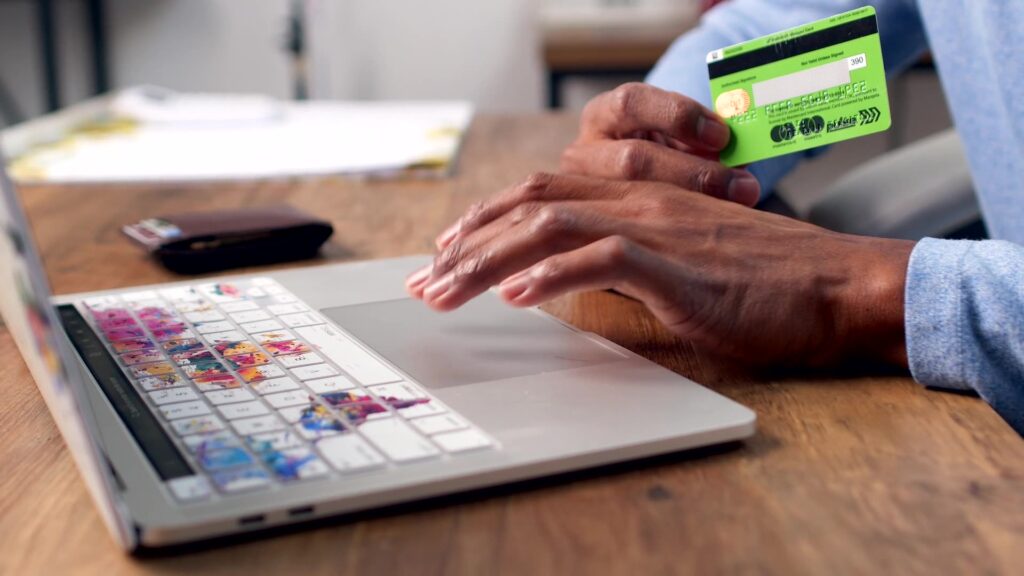
Offer the payment methods people use locally: cards, bank transfer and USSD through a licensed Nigerian payment provider, and, where relevant, payment on delivery. International checkout pages that only accept foreign cards lose most local buyers.

Distribution is part of the brand
A campaign that creates demand for a product people cannot find wastes its budget. Before you advertise, confirm where customers can buy: your own online shop, marketplaces, supermarkets, open-market distributors or a network of resellers.
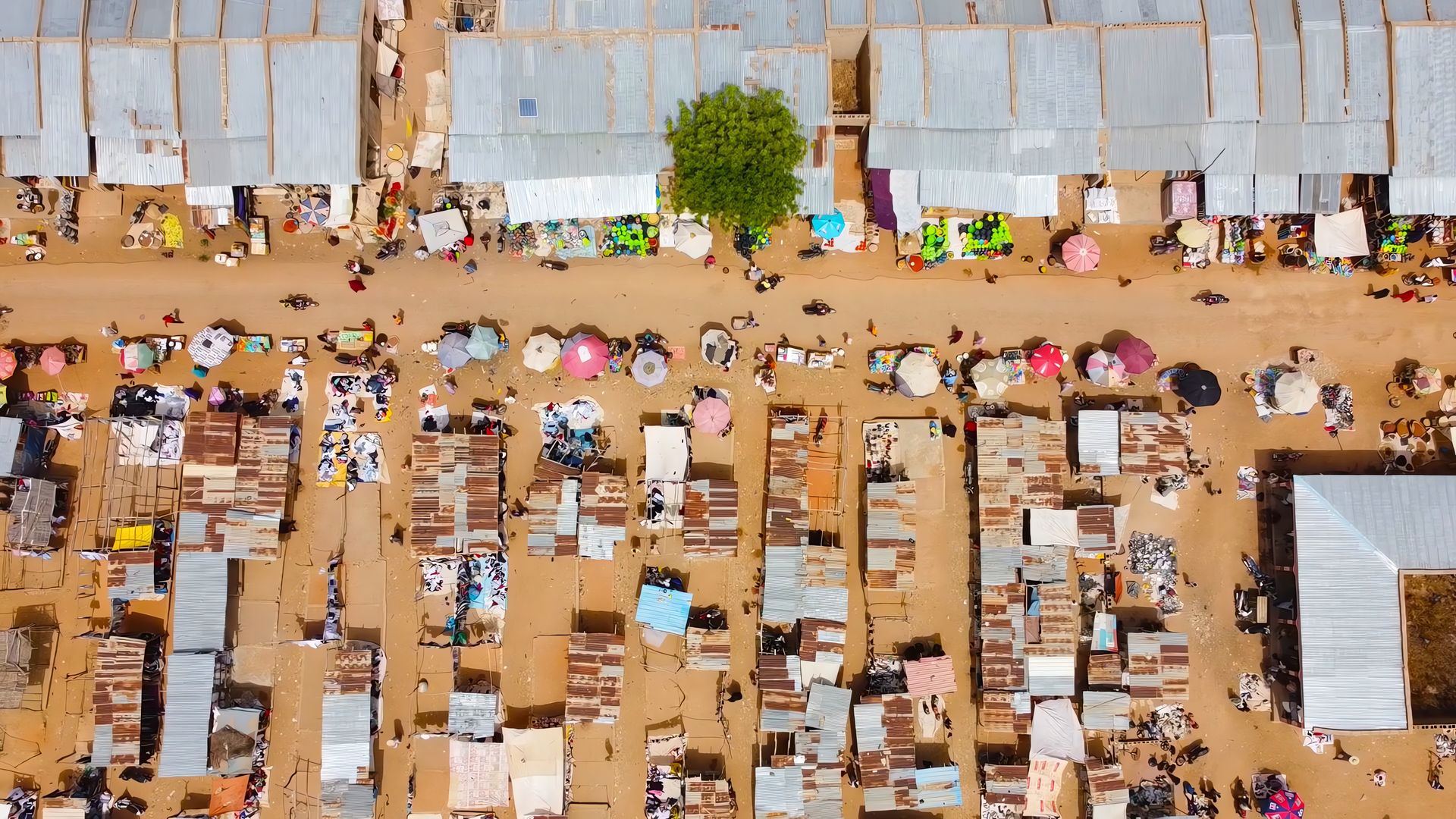
Much retail in Nigeria still happens through open markets and small neighbourhood shops. For mass-market goods, a strong distributor relationship matters more than any advert. Marketing should support those distributors with point-of-sale material, sampling and local promotions.
Regulation to be aware of
Several bodies affect how you market. The Advertising Regulatory Council of Nigeria oversees advertising. NAFDAC regulates food, drugs, cosmetics and related products, including how they are labelled and promoted. The Nigeria Data Protection Act governs personal data. Financial products, telecoms and alcohol have their own rules.
Requirements change, and the detail matters. Engage local legal counsel and a local agency familiar with approvals before you finalise creative. This article is general guidance, not legal advice.
Choosing local partners
Few international brands succeed in Nigeria alone. You will usually need:
- A distributor or commercial partner who knows the trade.
- Legal and regulatory advisers.
- A marketing agency with local creative, media and production capability.
- Reliable logistics and customer service.
When choosing an agency, look for a team that will challenge your assumptions, not simply execute a global brief. Ask how they would change your existing campaign for Nigeria and why. Our guide to choosing a marketing agency in Nigeria lists the questions to ask.
A sensible launch sequence
- Research. Talk to consumers and trade partners in your chosen city. Test price points and messaging.
- Start narrow. Launch in one city or one segment before going national.
- Secure availability. Make sure the product can be bought and delivered.
- Build credibility. Use creators, press and visible local presence so that people believe you are here to stay.
- Drive trial. Sampling, introductory pricing and activations.
- Measure and adjust. Track sales by area and channel. Change what is not working quickly.
- Expand. Move to the next city with what you have learned.
Setting a realistic budget and timeline
International teams often plan a Nigerian launch as a single campaign with a start and an end. It works better as three phases with separate budgets. The first is learning: research, small tests of message and price, and conversations with trade partners. The second is launch in one city, where most of the spend goes on availability, credibility and trial. The third is expansion, funded by what the first city has proved. Hold back part of the budget at each stage for changes, because the first plan rarely survives contact with the market. Agree in advance which signals, such as repeat purchase or distributor reorders, will tell you it is time to move to the next phase.
Mistakes international brands make
- Running a global campaign unchanged.
- Treating Lagos as the whole country.
- Managing everything remotely with no one on the ground.
- Underestimating the importance of WhatsApp and phone-based customer service.
- Advertising before distribution is in place.
- Expecting results on a European timeline and withdrawing too early.
- Ignoring the diaspora, who influence purchases at home.
That last point is often overlooked. Nigerians living in the UK, Europe and North America send money home, recommend brands to family, and frequently buy on their behalf. Reaching them can support a launch in Nigeria itself. We cover this in our article on marketing to the Nigerian diaspora.

Entering the Nigerian market: frequently asked questions
Which city should an international brand launch in first?
Lagos is the usual starting point because of its size, spending power and influence on trends. Abuja is a common second step. The right choice depends on where your target customers are concentrated.
Do I need a local company to market in Nigeria?
You can advertise without one, but selling, importing and receiving payments usually require a local entity or a local partner. Take legal advice on the structure that suits your business.
Is English enough for marketing in Nigeria?
English reaches a large urban audience. For mass-market products and for the north in particular, local languages and Pidgin extend reach considerably.
How long does it take to establish a brand in Nigeria?
Plan in years, not quarters. Early traction can come within months in a single city, but trust and distribution take sustained investment.
The short version
Choose where to start, learn how your customers there live and buy, adapt your message with local people, secure distribution before you advertise, respect the regulations, and commit for long enough to earn trust. If you are planning an entry and want a local marketing partner, talk to us.
Further reading: Google's SEO Starter Guide.